Our Approach to Fees and Payment
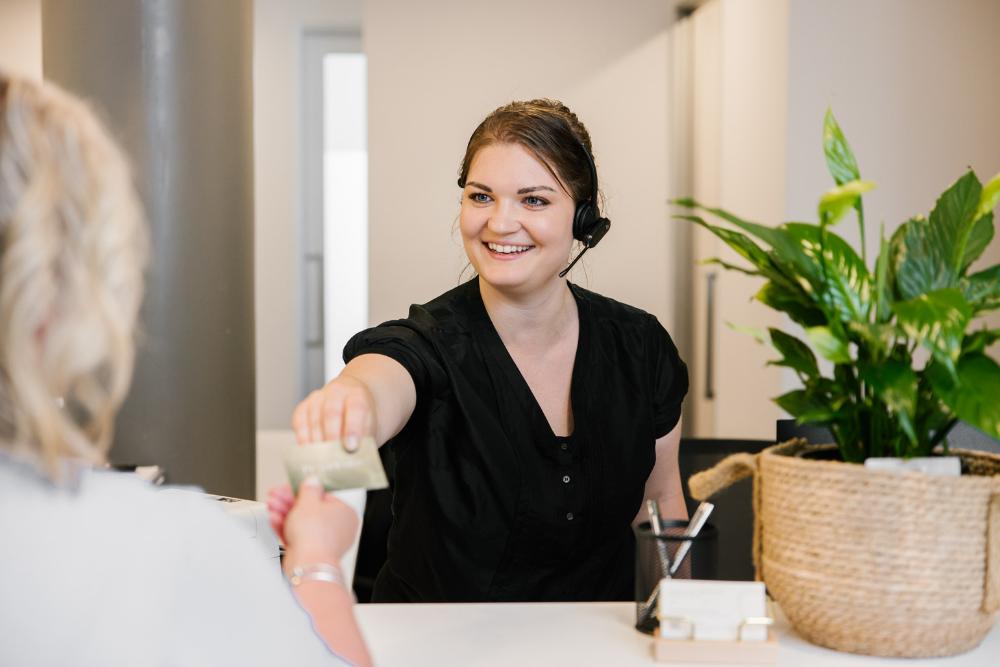 We know talking about money isn't always easy, especially when it comes to healthcare. So we'll keep this straightforward.
Our fees reflect the time we spend with you, the skill and experience we bring, and the quality of materials we use. We factor in long-term outcomes, because doing things right the first time counts.
We’re not a quick-turnover clinic. We take the time needed to look after you well, and we're honest about that from day one.
Are there any hidden costs?
No. We discuss and cost everything before we start. We do our best that you won't be caught off guard at the front desk. (Please don’t feel intimidated to ask if you’re ever unsure!)
You might notice our quotes are more thorough than others you've seen. That's intentional. Some clinics quote the headline figure but leave out smaller item codes to keep the initial number attractive. Then when you come to pay, the extras appear.
We'd rather be upfront. Our treatment plans include everything we can reasonably foresee. No dentist can predict everything 100% of the time, but we do our best to be faithful and true to the likely cost of providing good care, and that often means the quotes are on the higher side as a consequence.
A common example: a back molar filling (Item: 532) is quoted at $275, the treatment is performed and at reception afterwards you find out that the x-ray, examination and cuspal protection weren’t included in that quote.
Technically that’s not incorrect, the 532 back filling item code does cost $275, but we think it’s a bit disingenuous to leave out the other elements so we include them from the get go.
Do you provide written treatment plans?
Absolutely. Everything goes on paper (or screen). You'll see every component we can predict, broken down clearly with item codes and costs.
We'd rather slightly overestimate than underprepare you. If treatment spans multiple visits, we'll show you what happens at each appointment and what it costs.
Do you accept my health fund? 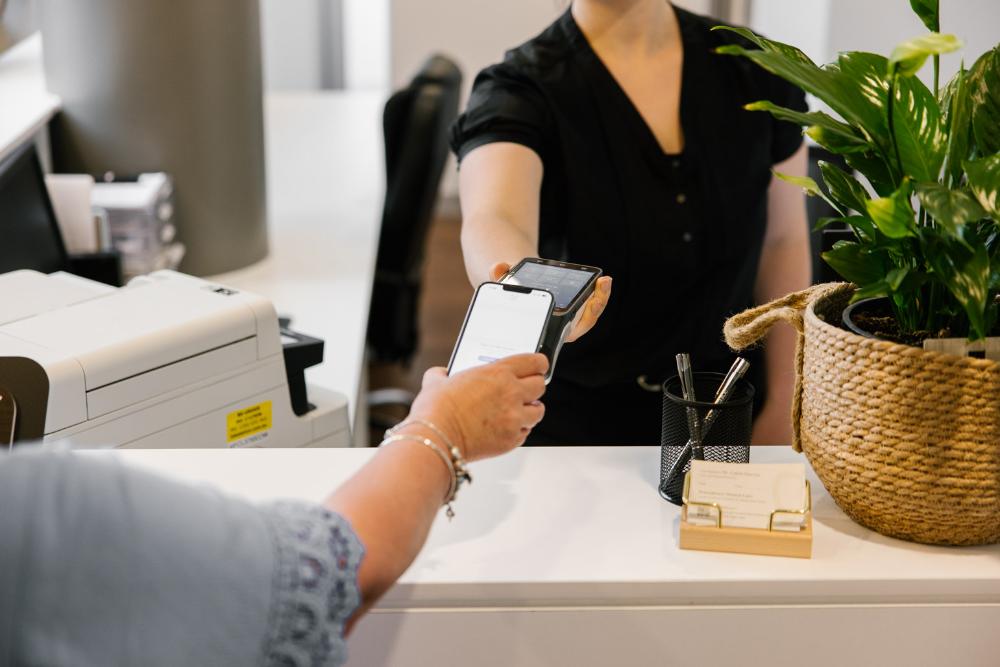
Yes. We work with all major health funds and process claims on the spot through HICAPS.
Are you a preferred provider?
We've deliberately chosen not to be.
That might sound counterintuitive, but here's why. Preferred provider agreements can place limits on how we plan and deliver care. They sometimes cap certain treatments, restrict options, or nudge decisions toward what suits the fund rather than what suits you.
We want to keep clinical decisions independent. Your treatment should be based on what's right for your situation, not what’s best for a healthfunds quarterly earnings.
We also find that preferred provider status doesn't always deliver the savings patients expect. Annual limits, waiting periods, and capped rebates often mean you’re not coming out ahead. Rather than navigating those restrictions, we focus on transparent pricing and honest conversations about what things actually cost.
We're happy to work with any health fund you have. We'll process your claim on the day. But we're not a preferred provider practice, so there will likely be some out-of-pocket expense depending on your level of cover, but we can let you know exactly what any amount may be.
You'll always get a written quote before treatment begins so you can weigh it up and decide what feels right. If cost is an issue let us know, we’re here to help patients – not buy a Porsche.
Often times being preferred for a healthfund can bring a lot of income quickly to a growing practice as the healthfunds direct their patients to you.
However the constraints that the preferred provider agreements place, often limit dentists in our ability to deliver the highest quality treatments, in my experience. Instead treatment is often limited to what the insurance company will pay for.
To me that’s not best for our ability to provide consistent high quality care for all of our patients.
This is why I’ve made the less financially lucrative business decision to avoid preferred provider arrangements at our practice.”
– Dr. Caleb Harvie, Owner and Principle Dentist at Providence Dental Care
How much will my fund pay?
It varies. Every fund is different, and every level of cover has its own quirks. Most people get a decent rebate, but it can swing higher or lower depending on the treatment and your individual policy.
If you bring your health fund card (the physical one or the app version) to your appointment, we can give you an estimate of what your fund will likely cover. That way you'll know if there is a gap before going ahead.
Do you process claims on the spot?
Yes. We use HICAPS, so you only pay the gap on the day. You don't need to pay the full amount and chase a rebate later.
Just remember to bring your health fund card with you, and make sure it's active.
Payment options and flexibility
We accept EFTPOS, credit card, Apple Pay, and most other digital payment methods.
Payment is usually due on the day of treatment. If you're having something more involved or the cost is significant, we can split payments across appointments to make it easier to manage.
We also offer third-party finance if spreading things out over time suits you better. And if budget is tight, we're happy to help you prioritise. Not everything has to happen at once. We can sequence treatment in a way that makes sense both clinically and financially.
What happens at your first visit
 We talk about fees right from the start. If we put together a treatment plan, you'll see future costs broken down by appointment, complete with item codes.
Payment is typically taken on the day, though for bigger or multi-stage treatments we can arrange staged payments to spread the load.
Whenever we plan future treatment, we explain what it will cost. You'll never be left guessing.
No pressure, just clarity
You're never obliged to go ahead with anything we suggest. Our job is to give you the information and help you make decisions that feel right for you.
If cost is weighing on your mind, please say so early. We're genuinely happy to talk it through and work out what's manageable.
Who this practice is for
Providence Dental Care best suits people who value quality care, clear communication, and treatment that lasts.
If you're looking for a West Lakes dentist who'll take the time to explain things properly and plan thoughtfully, we'd love to look after you.
In finishing
Dentistry is both healthcare and skilled technical work. It's not something we rush, and it's not something we cut corners on.
You're welcome to book online or give us a call to talk through how we can best help you.
Child Dental Benefits Schedule
We offer non-bulk billed treatment to children and teenagers who are eligible to receive the Child Dental Benefit Schedule.
When making your appointment please advise the staff that you have a CDBS letter and ensure you bring your Medicare card and CDBS letter to your appointment.
Typically about 60-70% of treatment cost is paid for by Medicare for eligible families.
Department of Veterans' Affairs Cards
Providence Dental Care is registered to provide dental care to eligible DVA gold card holders.
Health Funds
We accept all health funds, and while we do not hold preferred provider status with any specific fund, our team is happy to assist you in processing claims and understanding your entitlements.
Payment Plans
For patients who may require additional flexibility, payment planning options are available upon request. If you would like more information about payment arrangements or how to use your health fund at our Providence dental practice, our front desk team is here to help.
- Payment Plans and Financing — Eligibility depends on the provider and individual circumstances. Terms, conditions and lending criteria apply.
- Health Funds — Terms, conditions and fund rules apply. Please check with your health fund to confirm your benefits.
- Bulk Billing — Eligibility for bulk billing through CDBS and DVA is determined by the respective government programs. Annual limits and conditions apply. Please confirm your eligibility with Medicare or the Department of Veterans’ Affairs.
*Terms and conditions apply.
Payment Policy
Payment is required on the day treatment is provided. Health fund rebates vary according to individual policies, and the practice is not responsible for rebate amounts or eligibility.
Your dentist can discuss treatment options and provide written quotes, which are valid for 30 days. Best efforts will be made to determine the amounts that health funds will cover towards treatment costs.
Appointment Cancellation Policy
To help us provide timely care to all patients, we ask for at least 24 hours’ notice if you need to cancel or change an appointment. This allows us to offer the appointment time to another patient.
If you need to cancel, we invite you to please call (08) 7082 5161 or contact us online. You may leave a voicemail outside business hours.
Missed appointments or cancellations made with less than 24 hours’ notice may incur a fee.
-
Special offer – Comprehensive New Patient Examination $249
We believe that achieving excellent long-term oral health starts with taking the time to truly understand each patient — not rushing through a standard check-up.
To allow us to properly understand both the who and the why behind your dental health, we offer a comprehensive new patient examination at a reduced introductory fee.
This appointment is designed to give us …