Providence Dental Care is now offering a comprehensive new patient assessment package.
Click here to book online
Dental Implants
Dental Implant Options for You

Dental implants in West Lakes, Grange and Tennyson can offer a variety of options to help you reach your smile goals.

Dental Implants | Dentist

Dental Implants in West Lakes

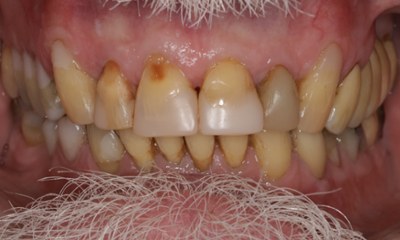
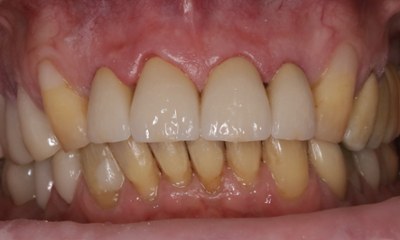
Missing teeth can affect one's smile, bite and overall oral health. At Providence Dental Care, a West Lakes Dentist, we provide comprehensive dental implant services to restore oral function and appearance. Dental implants are a long-term, reliable solution for replacing single or multiple missing teeth, offering results that look, feel and function like natural teeth.

Whether you need a single implant, a full restoration or supportive bone grafting, our team is here to guide you through every step of your treatment. We aim to ensure a personalised approach that meets your oral health and aesthetic goals.

What Are Dental Implants?

A dental implant is a small, biocompatible titanium post that is surgically placed into the jawbone to serve as a replacement tooth root. Once the implant integrates with your bone—a process called osseointegration—it provides a strong foundation for a crown, bridge or denture.

Dental implants can be used to:

  • Replace a single missing tooth
  • Support implant-supported bridges
  • Stabilise full or partial dentures
  • Preserve bone structure and prevent jawbone deterioration

Because implants function like natural teeth, they allow you to eat, speak and smile while aiming to support long-term oral health.

Benefits of Dental Implants

Missing teeth can affect one's ability to eat, speak and maintain a healthy, balanced smile. Dental implants offer a permanent solution that replaces missing teeth with durable, natural-looking restorations. Here are some of the benefits.
Restores Full Function for Eating and Speaking
Dental implants act like natural tooth roots, anchoring replacement teeth securely in place. This allows patients to chew comfortably and speak clearly without worrying about slippage or instability.
Preserves Jawbone and Prevents Bone Loss
When a tooth is lost, the jawbone can deteriorate over time. Implants stimulate the bone just like natural teeth, helping to preserve jaw structure and prevent the sunken appearance that can occur with long-term tooth loss.
Durable, Long-Lasting Solution
Made from biocompatible materials like titanium, they integrate with your jawbone for stability and strength. This long-term solution helps reduce the need for frequent replacements compared with other tooth-replacement options.

Our Dental Implant Services

At Providence Dental Care, we offer a full range of implant-related treatments, including: 
  • Dental Implant Placement — Your dentist carefully evaluates your oral health, bone structure, and overall suitability for implants before placing the titanium post into your jawbone. Proper planning helps ensure optimal alignment, function and longevity of the implant.
  • Implant-Supported Restorations — Once the implant has fully integrated with the bone, we attach a custom-made crown or bridge to restore the missing tooth. These restorations are designed to match your surrounding teeth in shape, size and colour.
  • Bone Grafting — Some patients may require bone grafting to strengthen the jawbone before implant placement. This procedure adds volume and density to areas where the bone has deteriorated, aiming to ensure implants have a stable, secure foundation for long-term success.

Is a Dental Implant Right for You?

Your dentist will evaluate several factors to determine whether implants are appropriate for your specific needs, including:

  • Overall oral health and gum condition
  • Quality and density of your jawbone
  • The number and location of missing teeth
  • Personal treatment goals and expectations

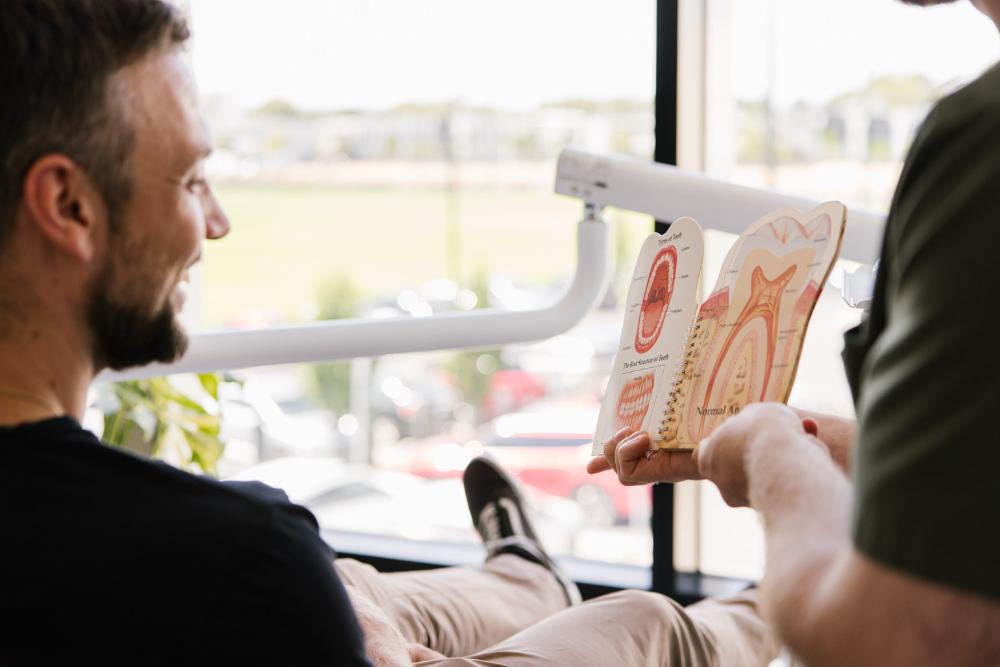
During your consultation, we’ll discuss your options, explain the procedure and develop a customised treatment plan to restore your smile.
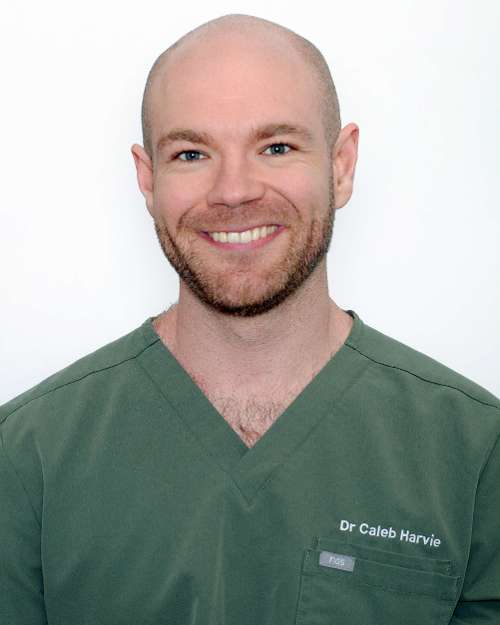

  • Dr Caleb Harvie B.HSci(Dent) M.Dent

    Dr Caleb Harvie is the principal dentist and founder of Providence Dental Care, where he leads the practice with a focus on high standards of care for both patients and staff. Since beginning his dental ...

    Read More
  • Dr Meg Harvie BHSc MDent DClinDent (Paediatrics)

    Dr Meg Harvie is a specialist paediatric dentist with extensive experience managing complex paediatric dental cases. She is skilled in providing treatment under nitrous oxide sedation and general anaesthesia, aiming to ensure children receive safe, ...

    Read More

Ready to Arrange Your Dental Implant Consultation?

If you are considering a permanent solution for missing teeth, we invite you to contact Providence Dental Care to learn more about our dental implants in West Lakes, Grange, Tennyson, Seaton and Semaphore. Our team will guide you through every step, from initial assessment to final restoration. 

Frequently Asked Questions

Booking an Implant consultation will allow your dentist to determine if you are a good candidate for dental implants.

During your consultation, your dentist will review your dental and medical history, take digital scans or x-rays and assess your jawbone density to determine if dental implants are appropriate for your needs.

Dental implants are a long-term solution for replacing missing teeth, but suitability depends on several factors. Common indicators that implants may be right for you include:

  • One or more missing teeth
  • Healthy gums
  • Sufficient jawbone to support the implant
  • Overall good oral and general health

Even if the amount or density is reduced, procedures like bone grafting can often prepare the jaw to support implants successfully. Your dentist will explain whether you need grafting and how it integrates with the implant treatment plan.

If you feel you would benefit from dental implants, we welcome you to book an appointment over the phone or online so we can give you the answers you need.

Proper home care is essential to ensure the longevity of dental implants. Treat your implants like natural teeth: 

  • Brush twice daily with a soft-bristle toothbrush.
  • Floss carefully around the implant.
  • Consider using an interdental brush to clean hard-to-reach areas.
  • Rinsing with an antibacterial mouthwash can also help prevent plaque buildup and gum inflammation.
  • Avoid chewing hard foods or using your teeth as tools to protect your implants from unnecessary stress.
  • Avoid smoking or vaping and keep your body healthy.

Regular dental check-ups are equally important. Professional cleanings allow your dentist to monitor the implant, surrounding gum tissue, and jawbone. 

We invite you to call us for your next appointment. 

Suitability depends on your overall mouth health

Dental implants can be a great option for replacing missing teeth, but not everyone is automatically suitable straight away. We need to assess your gums, bone levels, bite, medical history, and the condition of the neighbouring teeth.

Bone and gum health are important

Implants need healthy bone and gum support around them. If there has been bone loss, gum disease, infection, or long-term missing teeth, extra planning may be needed. In some cases, bone grafting or gum treatment may be recommended before implant placement.

Your systemic health is very important.

Certain medical conditions, medications, smoking, healing issues, or uncontrolled diabetes can affect implant healing and long-term success. This does not always mean implants are not possible, but it does mean the risks and timing need to be discussed carefully. Your dental implants will become a part of your body, and integrate with your bone- but in order for them to do that, the body needs to be healthy enough to accept them. Implants boast a very high success rate when we ensure that our foundation is happy and healthy.

The procedure is usually almost painless.

Most patients are pleasantly surprised by how manageable implant treatment is. The area is numbed with local anaesthetic, similar to other dental procedures, so the implant placement itself should not be painful.

Some soreness afterwards is normal

It is normal to have some tenderness, swelling, or bruising after the procedure, depending on the complexity of the treatment. For many straightforward implant cases, discomfort is quite manageable and settles over the following days. We typically suggest paracetamol and ibuprofen after implant placement, but we will prescribe medication according to your needs.

Comfort and planning matter

A careful plan helps make the appointment smoother. We also explain what to expect before and after treatment, including how to look after the area while it heals. Keeping the site clean with good oral hygiene helps ensure that the implant integrates into the body seamlessly.

A rough timeline

Simple implants can be placed in less than 3 months. More typically, we wait a few months for the implant to integrate into the body before we put the final restoration. Some patients with softer bone will take up to 9 months as we wait for the body to strengthen around the implant

It really depends on your individual case

The overall timeline depends on your starting point. Some cases are straightforward, while others need extra steps such as removing a tooth, allowing infection to heal, bone grafting, or improving gum health first. If you are younger <50 years old, it will be faster than someone who is 80 years old, but everyone gets to the same destination in the end.

Healing time is part of the process

After an implant is placed, it usually needs time to heal and integrate with the bone before the final tooth is attached. This healing period is important because it helps create a stable foundation for the crown, bridge, or denture that connects to the implant.

The final tooth is planned carefully

Once the implant is ready, the final tooth or teeth can be made to suit your bite, smile, and function. The aim is not just to fill a gap, but to create something comfortable, cleanable, and long-lasting. This is a critical difference that may mean the difference between something lasting 10 years or lasting 30 years.