Happy Gas for Dental Anxiety
Many people put off looking after their teeth simply because the thought of sitting in the dental chair makes their stomach turn. It happens frequently, and it usually means small, manageable issues eventually turn into complex procedures like implants, bone grafting, or surgical extractions.
If fear is what keeps you out of the clinic, you don't have to white-knuckle your way through treatment. "Happy gas," or nitrous oxide, is a practical, gentle way to manage that stress without losing control.
What Is Conscious Sedation?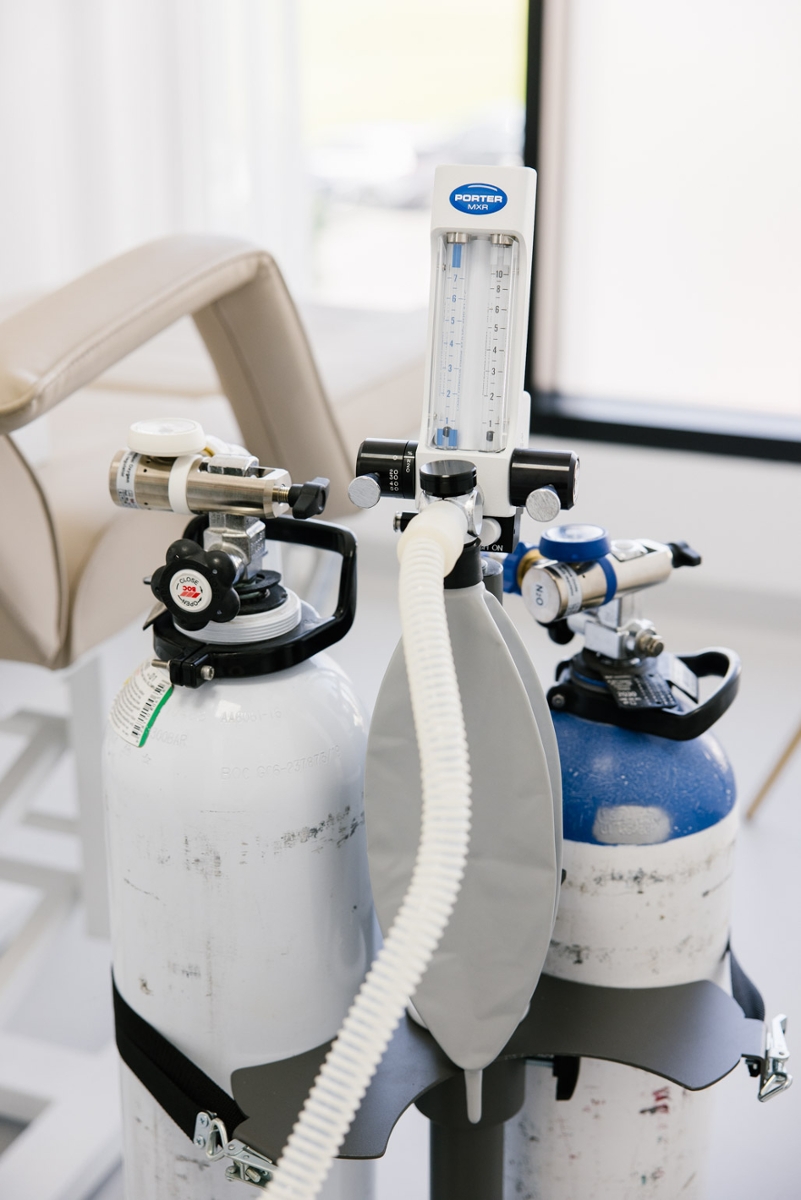
When we talk about happy gas, we aren't talking about general anaesthesia where you're put to sleep. You stay awake, you breathe on your own, and you can chat with us or follow instructions throughout the entire appointment.
The goal is simple: to take the sharp edge off your anxiety. You’ll feel a sense of calm, lightheadedness, and detachment from the chair. It’s the difference between bracing for impact and just letting the appointment happen.
Why It’s a Game Changer
Beyond just calming your nerves, happy gas provides a few practical benefits during your care:
- It controls your gag reflex: If you’re the type of person who struggles with impressions or having instruments near the back of your mouth, the gas helps settle your throat, making the procedure much more comfortable.
- Time feels different: It has a funny way of making an hour-long procedure feel like it's over in twenty minutes.
- It helps your numbing work better: Pain isn't just physical; it's emotional. When you’re stressed, your body produces adrenaline, which can actually work against the numbing agents we use. By keeping you relaxed, the gas helps the local anaesthetic do its job more effectively.
Why Happy Gas Can Be Helpful for Children
Children do not always have the words to explain why the dentist feels hard.
Sometimes it is the noise. Sometimes it is the feeling of water in the mouth. Sometimes it is the bright light, the chair moving back, or the very strange experience of having someone working in their mouth while they are expected to stay still.
That is a lot for a little person.
Happy gas can help children feel calmer while still staying awake, responsive, and in control. They can talk to us. They can answer questions. They can let us know if they need a break. For many children, that matters more than adults realize.
The aim is not to force treatment through. The aim is to make dental care feel more manageable, especially for children who are anxious, sensitive, strong gaggers, or worried because of a previous dental experience.
At Providence Dental Care, we use happy gas as one part of a broader approach to gentle children’s dentistry. We still explain things carefully. We still go at the child’s pace where possible. We still use calm language and give them a chance to understand what is happening.
The gas simply helps take the panic down a few notches.
When Children May Benefit from Happy Gas
Happy gas may be useful for children who:
- Feel nervous before dental visits
- Struggle to sit still for longer appointments
- Have a strong gag reflex
- Feel overwhelmed by dental noises or sensations
- Need fillings, extractions, or other treatment
- Have had a difficult dental experience before
- Cope well generally, but find certain procedures too much
Some children are beautifully brave until the handpiece starts. Fair enough. It is a weird little machine making a weird little noise in a weird little place.
Nitrous oxide can help reduce that sense of alarm so treatment feels less confronting.
Helping Children Build Confidence at the Dentist
One of the biggest benefits of happy gas is that it can help children get through necessary treatment without turning the dentist into a lifelong horror story.
Children who have a frightening dental experience can become adults who avoid the dentist for years. Then small problems become big ones. The cycle is very familiar, and it often starts early.
When dental care feels calm, predictable, and achievable, children are more likely to come back without dread. They learn that the dentist is a place where people help them, explain things, and stop when something needs adjusting.
What Children Feel During Happy Gas
Most children describe happy gas as a floaty, relaxed feeling.
They may feel warm, giggly, light, or sleepy. Some children notice tingling in their fingers or toes. Others simply look less tense and stop gripping the chair like they are preparing for take-off.
They are still awake the whole time. They still breathe on their own. They can still speak to us.
We keep checking in with them throughout the appointment. The level of gas can be adjusted up or down depending on how they are feeling.
Why Parents Often Like It Too 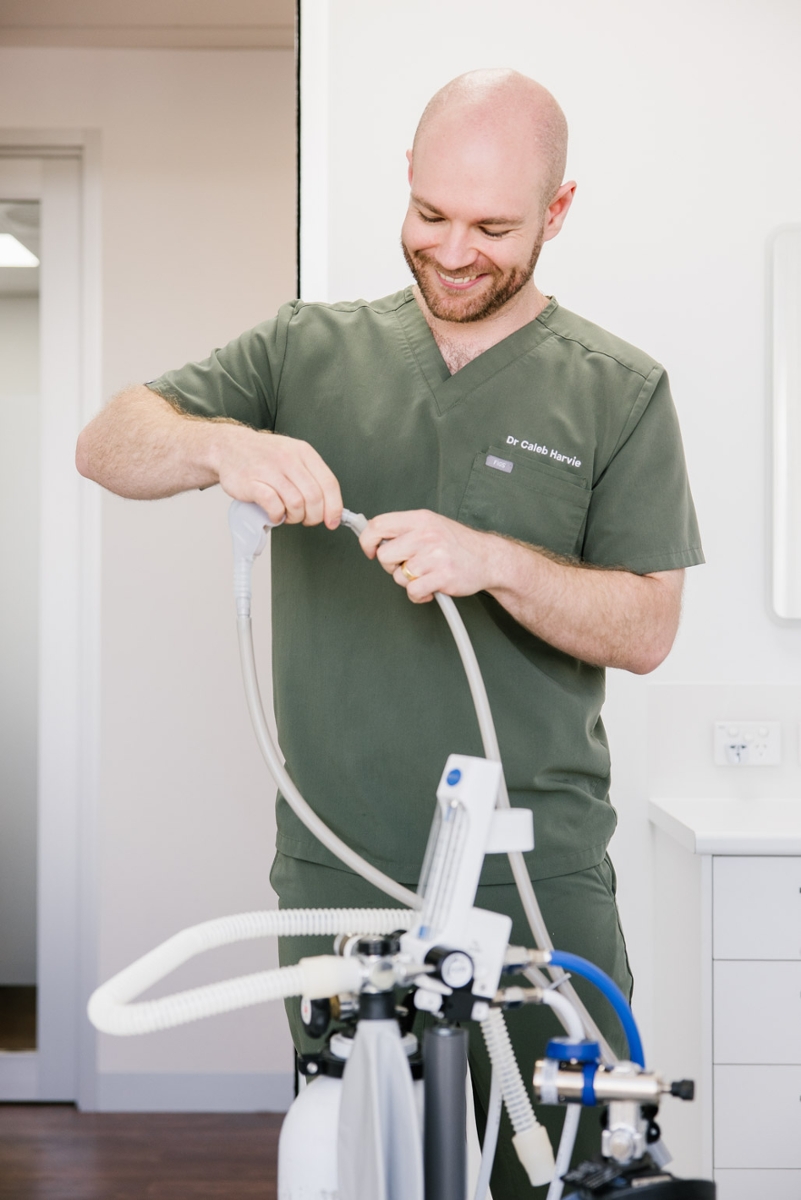
Parents often feel anxious watching their child feel anxious. That is normal.
Happy gas can make the appointment smoother for everyone in the room. A calmer child usually means treatment can be completed more gently, with fewer stops, less distress, and a better overall memory of the visit.
It can also reduce the need to jump straight to deeper forms of sedation for some children. Every child is different, and happy gas will not suit every situation, but it is often a sensible first step for mild to moderate dental anxiety.
How It Works (and Why It’s Safe)
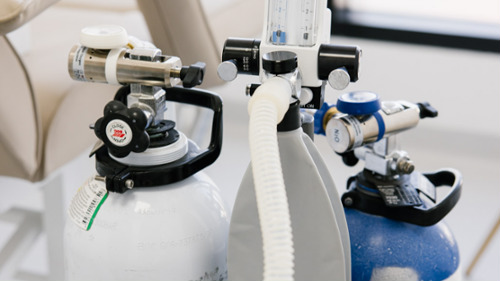
The best part about happy gas is how quickly it moves through your system. You breathe it in through a small mask, and it takes effect in just a couple of minutes. Because your body doesn’t process it like a pill or medicine, the effects stop almost instantly once we turn the gas off.
We start with a high flow of oxygen, and we titrate or slowly adjust the gas levels to find the exact "sweet spot" for you. We also use built-in safety monitors that ensure you’re always receiving plenty of oxygen. Before you leave, we give you a few minutes of pure oxygen to flush everything out, meaning you’ll be clear-headed and ready to drive yourself home to Seaton or Albert Park straight after your appointment.
Is Happy Gas Right for Every Child?
Not always.
Some children do brilliantly with a gentle explanation and a slow first visit. Some need happy gas. Some need treatment with a specialist paediatric dentist. Some may need other sedation options depending on their age, anxiety level, medical history, and the amount of treatment required.
That is why we assess each child properly before recommending anything.
A West Lakes Dentist can help you understand whether nitrous oxide is suitable for your child, or whether a different approach would be safer and more appropriate.
Ready to Get Back on Top of Your Dental Health?
If you have been avoiding the dentist because of nerves, you don’t have to do it alone. Book a new patient exam or a consultation with our team at Providence Dental Care. We can chat about your concerns and see if happy gas is the right fit to help you get your smile back on track in a way that feels comfortable for you.
If your child is nervous about dental treatment, you are welcome to book an appointment online or call our team. We can talk through what they need, what they are worried about, and whether happy gas may help make their visit feel calmer.