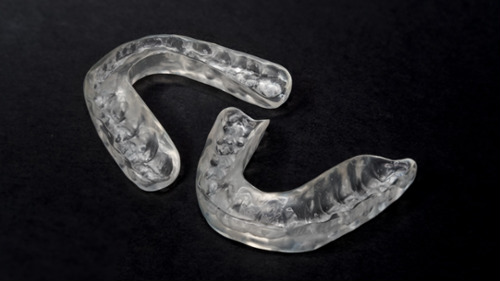
If someone ever makes a “root canal” joke, it is usually not a friendly one. That’s the problem. The reputation is loud, even when the reality is calmer.
So, are root canals painful? The answer is usually no. Patients generally recall the toothache that led to the visit, not the treatment.
Infection or swelling within the tooth is the problem. Root canal treatment eliminates the problem and seals the tooth to restore balance. The American Association of Endodontists (AAE) explains this myth clearly and notes modern numbing and technology have changed the experience a lot.
If you’re feeling nervous, you’re normal. If you’re feeling pain, you also deserve relief.
If you want a clear diagnosis and a calm explanation in West Lakes, you can book with Providence Dental Care. A good consult should feel like a conversation, not a guessing game.
What People Mean When They Say “Painful”
Pain can mean different things to different people. Some people mean a sharp sting. Some mean pressure. Some mean “I hate dental sounds.”
Here’s what most patients report with modern care:
• Before treatment: the tooth can throb, sting, or ache. It may keep you awake. It may flare when you bite or drink something cold.
• During treatment: you should feel numb. You might feel pressure, vibration, and water spray.
• After treatment: mild tenderness is common for a short time, almost like the tooth feels bruised.
Cleveland Clinic explains that root canal treatment is usually no more painful than a filling when you’re properly numb, and that mild soreness afterward can happen. That is a normal recovery pattern for many people.
So, if you are asking, are root canals painful, it helps to separate “toothache pain before” from “treatment day feeling.”
Why Toothaches Hurt More Than the Root Canal?
The soft tissue within a tooth that requires a root canal is commonly inflamed or infected. That tissue is nerved and bloody. It may be severe when irritated or infected. This is why people type scary searches like painful root canal treatment. They are not just curious.
They are trying to predict their night. Since it eliminates sick tissue and lowers tooth pressure, the root canal generally relieves the most discomfort. According to the AAE, infections hurt, and the technique addresses that issue.
What You Might Feel During the Appointment?
Let’s answer the big question with clarity.
• is root canal painful during the procedure? With effective local anaesthetic, it should not be.
• You may feel pressure, but pressure is not the same as pain.
Local anaesthetic blocks pain signals in the area being treated. Cleveland Clinic explains how local anaesthesia works and why it is used for dental procedures.
Sometimes a tooth is very inflamed and can be harder to numb right away. That does not mean you have to suffer. It means your dentist may take extra steps, allow more time for numbing, and check your comfort more often.
A helpful reminder is this: you are allowed to communicate. If something feels sharp, you raise your hand. That is not being “difficult.” That is being smart.
If you’re anxious and want a dentist who talks you through what’s happening, book with Providence Dental Care. A calm plan often lowers fear as much as the numbness does.
What Actually Happens in a Modern Root Canal?
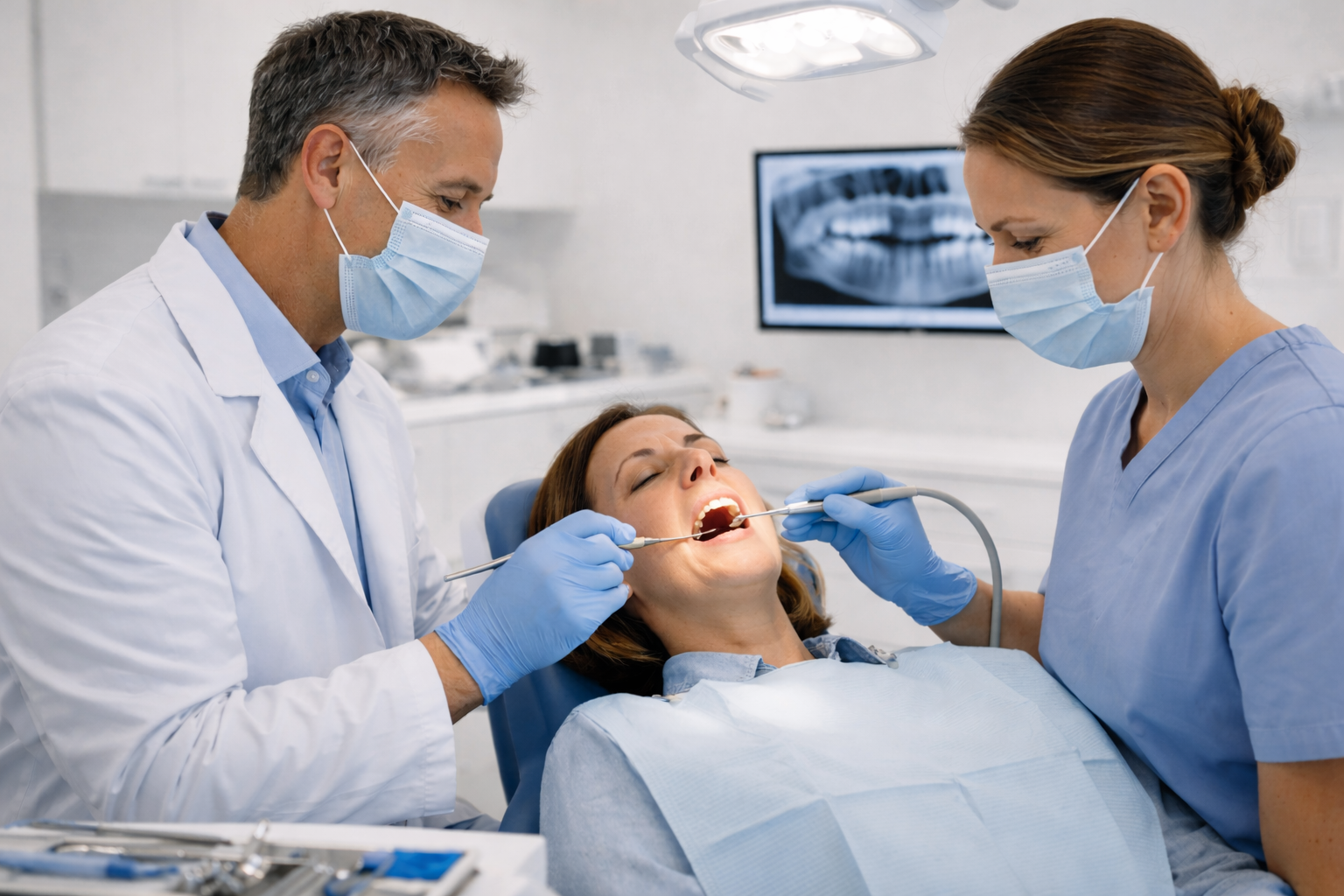
This is the part people imagine incorrectly. Many picture “drilling to the centre of the earth.” It’s not like that.
A modern root canal usually involves these steps:
• The tooth is numbed so you stay comfortable.
• The dentist creates a small opening to reach the infected or inflamed tissue.
• The canals are cleaned and disinfected.
• The space is filled and sealed to stop bacteria from getting back in.
• A permanent restoration is planned, often a filling or a crown, depending on how weak the tooth is.
Providence Dental Care describes root canal treatment as removing affected pulp, cleaning and disinfecting the canals, then sealing the tooth. That simple description is the honest version.
Aftercare: What Recovery Usually Feels Like
This is where many people start asking a second question: is a root canal painful after the numbness wears off?
Some tenderness is common. Most people describe it as:
• a sore feeling when biting
• mild aching around the tooth
• sensitivity in the gum near the tooth
Mild root canal tenderness is normal and indicates when to see a dentist. Chronic discomfort, swelling, fever, or a poor taste are not typical. Those may indicate a review.
Is Root Canal Painless: The Honest Answer
People sometimes want a yes or no that sounds like a guarantee.
So, is root canal painless? During the appointment, many people feel close to nothing beyond pressure when the area is numb. Many experience brief pain. That differs from your toothache, which brought you in.
If you prefer easy comparisons, here is one:
• The toothache before treatment is often the worst part.
• The procedure is often the relief part.
• Recovery is often the “a bit tender but improving” part.
When a Root Canal Might Not Be the Only Step?
Sometimes a root canal is not the full story. The tooth may also need strength.
A tooth that has had infection or large decay can become fragile. Many teeth need a crown after root canal treatment to protect them from cracking, depending on the tooth and how much structure is left. Providence Dental Care discusses crowns as a way to protect and restore weakened teeth. This matters because the best long-term result is not just “pain gone,” it is “tooth stays strong.”
This is one reason diagnosis matters. You want to know what’s needed now, and what protects the tooth later.
Signs You Should Book Appointment Soon

If you’re debating whether this can wait, these are common reasons people book sooner:
• Pain that wakes you at night or does not calm down
• Swelling of the gum or face
• A pimple-like bump on the gum near a tooth
• Sensitivity that lingers long after hot or cold
• Pain when biting that feels deep and focused
If you have any of these, it’s worth getting checked. Not because you should panic, but because early treatment often means simpler treatment.
If you’re in West Lakes or nearby, you can book a check at Providence Dental Care and get clear answers on what’s causing the pain and what your options are.
Conclusion
Back to the question that started it: are root canals painful? For most people with modern dentistry and proper numbing, the treatment itself is not the scary part. The toothache before treatment is usually the bigger problem. Most patients feel pressure during the procedure, then mild soreness afterward that improves as the tooth settles.
If you’re still stuck on “are root canals painful” after reading this, that’s a sign you want certainty, not another night of guessing. Book an assessment with Providence Dental Care so you can get a clear diagnosis and a calm plan to get you comfortable again.
Book online or call to make an appointment to discuss or have us help you with teeth that may need root canal treatment.