Bleaching at home:
Take-home teeth whitening with custom trays is a safe, professional way to brighten your smile at home. This guide explains how to use your whitening kit correctly, what results to expect, how to manage sensitivity, and how to care for your trays so you get the best possible outcome.
How Take-Home Whitening Works
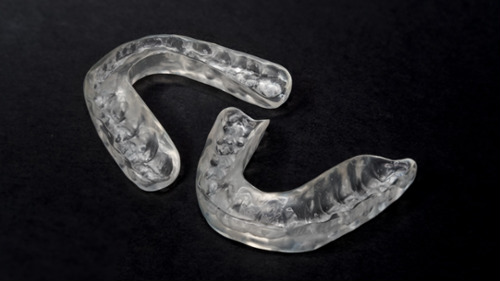
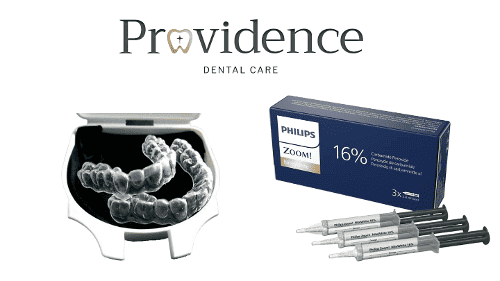
Custom bleaching trays are made specifically for your teeth and used with a 16% carbamide peroxide whitening gel. This concentration has been selected to provide effective whitening while minimising the risk of tooth sensitivity and gum irritation.
For best results, trays are worn overnight or for four to six hours per day. Most patients notice a visible improvement within one week. Wearing trays for longer than recommended or overfilling them with gel does not improve whitening results and may increase sensitivity.
What Results to Expect
Whitening results vary between patients. Factors such as natural tooth colour, enamel thickness, age, oral hygiene habits, diet, and starting shade all influence the final outcome.
Teeth whitening only works on natural enamel. It will not change the colour of fillings, crowns, veneers, root surfaces, or areas of decay. Bleaching is an excellent first step in conservative cosmetic treatment, but there are limits to what it can achieve. If you are hoping for a more significant change, options such as composite bonding or ceramic restorations may be appropriate. Speak with us if you would like to explore further cosmetic treatment.
Application Instructions
Before each whitening session, brush and floss your teeth thoroughly. Twist off the clear plastic cap from the whitening syringe in a counter-clockwise motion, then twist the mixing cap clockwise to lock it onto the syringe.
Place a small amount of gel into each tooth compartment of the tray for the teeth you wish to whiten. The trays are designed to hold a reservoir of whitening gel over the front visible teeth only. It is not recommended to apply whitening gel to the back teeth, as this increases the risk of irritation without improving results.
Sensitivity and Gum Irritation
Some patients experience temporary tooth sensitivity during whitening. This is common and usually settles within one to three days.
If sensitivity occurs, whitening can be reduced to every second day. Using a sensitive toothpaste such as Sensodyne may help, and applying Tooth Mousse Plus to sensitive areas can also be beneficial.
Gum irritation may occur if too much gel is used or if trays are overfilled. Use less gel in those areas and wipe away any excess that comes into contact with the gums. Whitening should not be used if you have active tooth decay, as the gel does not treat cavities and may cause discomfort.
After Each Whitening Session
After removing your trays, avoid staining foods, drinks, and tobacco for at least two hours. Continue with good oral hygiene and attend regular dental appointments to help maintain your results.
Any remaining whitening gel should be stored in a cool, dry place. Refrigeration is not required.
Caring for Your Custom Whitening Trays
After each use, rinse your trays under cool to lukewarm water. If needed, gently clean them with a soft toothbrush and mild liquid soap, then rinse thoroughly.
Do not use toothpaste, hot water, or cleaning tablets, as these can scratch or distort the trays. Allow trays to air dry completely before placing them in their ventilated case. Keep trays away from heat and pets to prevent damage. Proper care helps maintain fit, comfort, and effectiveness for future whitening top-ups.
Questions, Support and Replacements
If you have any questions or concerns about your whitening treatment, please contact us. If your custom bleaching trays are lost or damaged, it may be possible to have them remade at a lower cost than the initial treatment. Additional whitening gel syringes are available for $25 each.
Contact us
Email: [email protected]
Phone: 08 7082 5161
Book online: bookonline.providencedentalcare.com.au